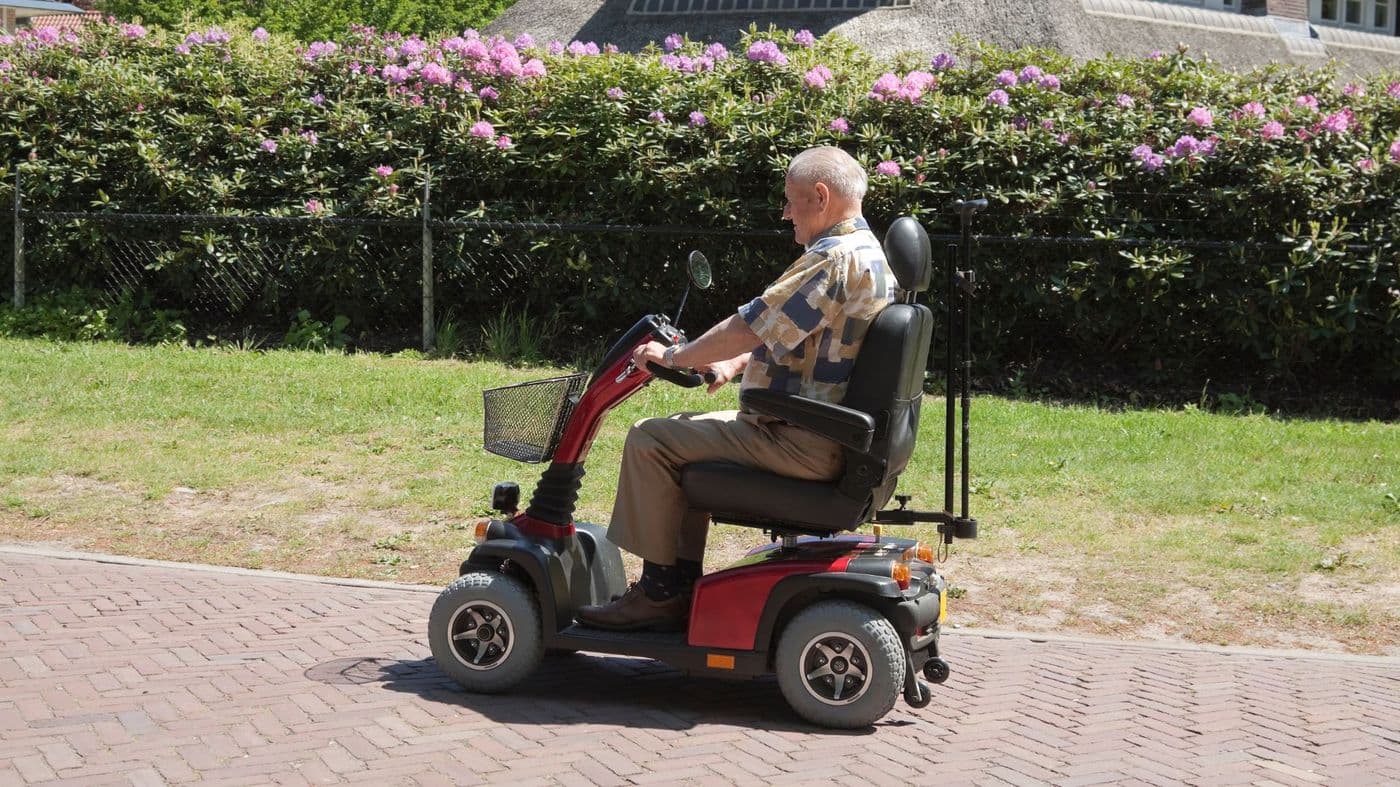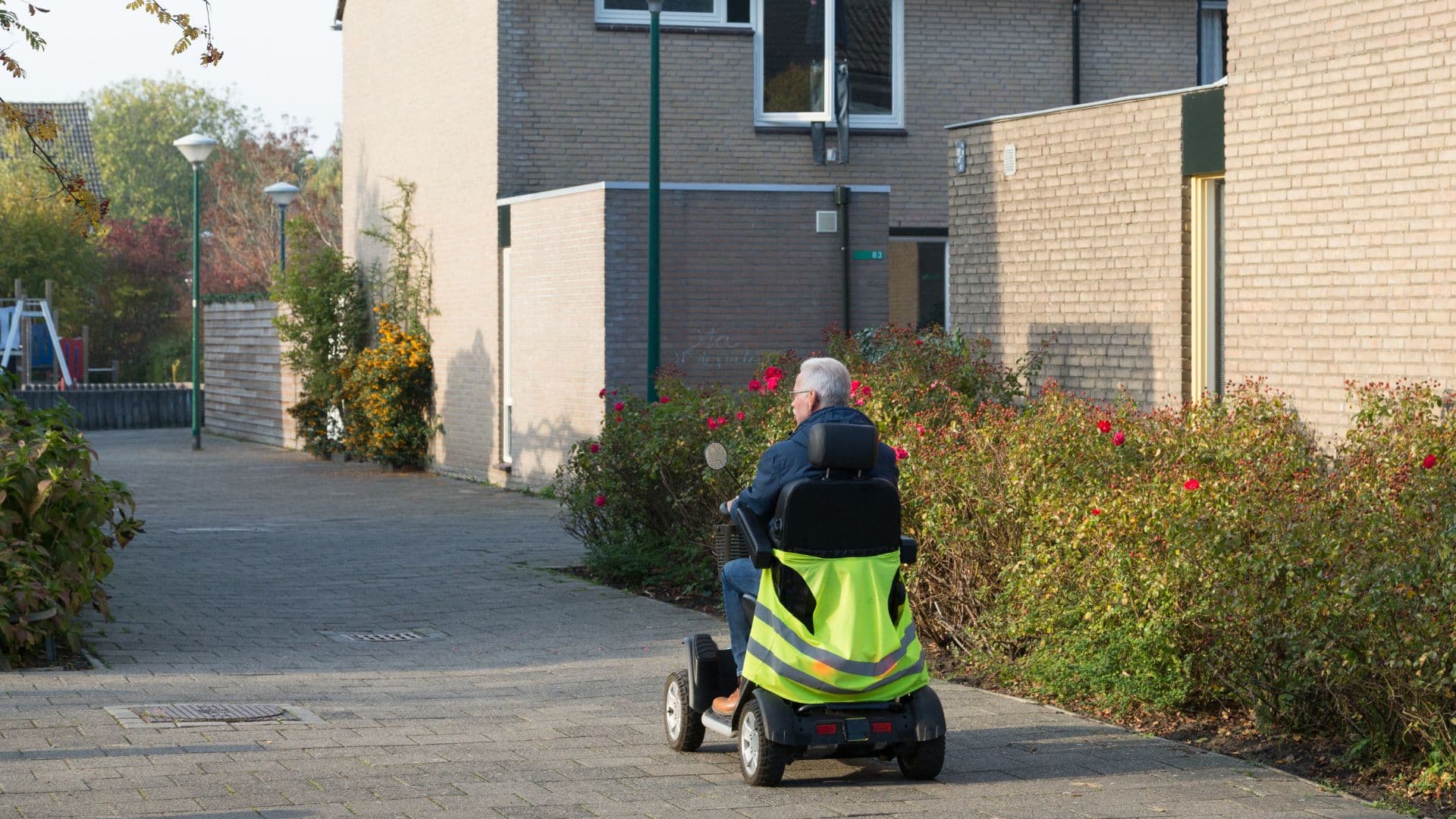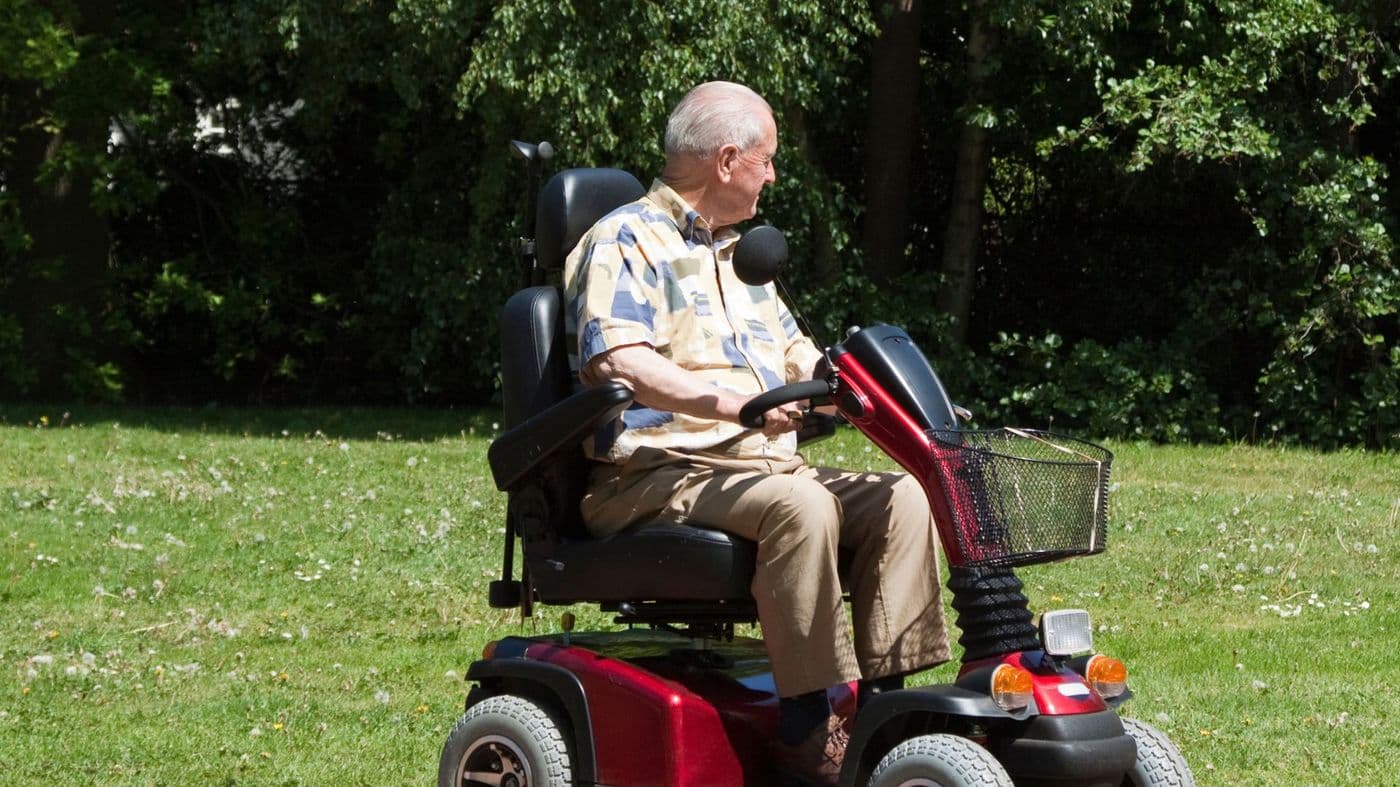

One of the best things about getting a scooter is the first time you go somewhere you'd quietly written off. But a day out can be spoiled by something small that nobody thought to mention — a gravel car park, a boardwalk with a lip on it, or an accessible toilet that turns out to be locked and the key is at a desk up a step.
So rather than a list of places that might have changed by the time you read this, here's how to work out whether somewhere will suit you — and what generally works well around Bedfordshire.
The four questions worth asking before you go
- What's the ground? Tarmac and compacted stone are fine for almost anything. Loose gravel, grass and cobbles are hard work on small solid wheels and can stop a boot scooter completely.
- Is it step-free throughout, or just at the entrance? This is the big one. Plenty of places have a ramp at the front door and steps everywhere after that.
- Where is the accessible parking, and how far is it from the entrance? If you're unloading a scooter from a boot, you also need space beside the car to do it.
- Is there an accessible toilet, and is it open? Ask whether it needs a RADAR key. If it does, get one — they open most locked accessible toilets across the country.
Ring rather than rely on the website. A two-minute phone call to someone who works there will tell you more than any access statement.
What tends to work well locally
Riverside and towpath routes
The Great Ouse through Bedford is the obvious one, and the surfaced sections of the embankment are about as good as it gets: flat, wide, hard-surfaced, and with plenty of places to stop. Towpaths vary enormously though — some stretches are beautifully surfaced and others turn to mud after rain. Check the specific stretch, not the route as a whole.
Formal parks and gardens
Country parks and formal gardens are usually a safer bet than open countryside, because the paths are made up and maintained. Many have accessible toilets and a café. The thing to check is whether the paths form a loop — a lovely surfaced path that dead-ends means doubling back, which halves your effective range.
Town centres
Bedford, Ampthill and the surrounding towns are largely manageable, with dropped kerbs on the main routes. Market days are the exception — stalls narrow the pavements considerably, and it can be easier to go early.
Many town centres also have a Shopmobility scheme, where you can borrow a scooter or wheelchair for the day. Worth knowing about if you're going somewhere your own machine can't easily travel to.
Plan your first trip somewhere you already know. You'll learn what your scooter can handle without also trying to work out where you are.
Planning the range, not just the route
The mistake to avoid is planning a trip that uses your full quoted range. Treat the brochure figure as a best case in ideal conditions, and remember the return leg.
- Halve it, then plan. If the quoted range is 20 miles, plan around 8–10 and you'll rarely be caught out.
- Hills and headwinds cost more than distance. A short steep route can use more battery than a long flat one.
- Cold weather reduces capacity. A trip that was comfortable in July may not be in January — see our battery care guide.
- Charge fully the night before, even if you only went a short way the day before.
A few practical things to take
- A phone, charged, and somebody who knows roughly where you're going.
- A RADAR key for accessible toilets.
- Waterproofs — getting wet on a scooter is worse than getting wet walking, because you can't speed up.
- Your charger if you're out all day and there's somewhere to plug in.
- A tyre pump if you run pneumatic tyres.
If your scooter isn't up to the trips you want
Sometimes the honest answer is that the machine is wrong for the job — a small boot scooter will never be comfortable on rough ground, however good it is for the shops.
Come and talk to us about it. We do free home demonstrations on every scooter and powerchair we sell, and we take part exchanges. Call 01234 267393, or read how to choose a mobility scooter first.