Buying a mobility scooter is one of those purchases where the specification sheet is almost useless on its own. Two machines with near-identical numbers can suit completely different people. What decides it is your route, your storage and your strength — in that order.
Here's how we'd work through it with you in the showroom.
The three types
1. Boot and folding scooters
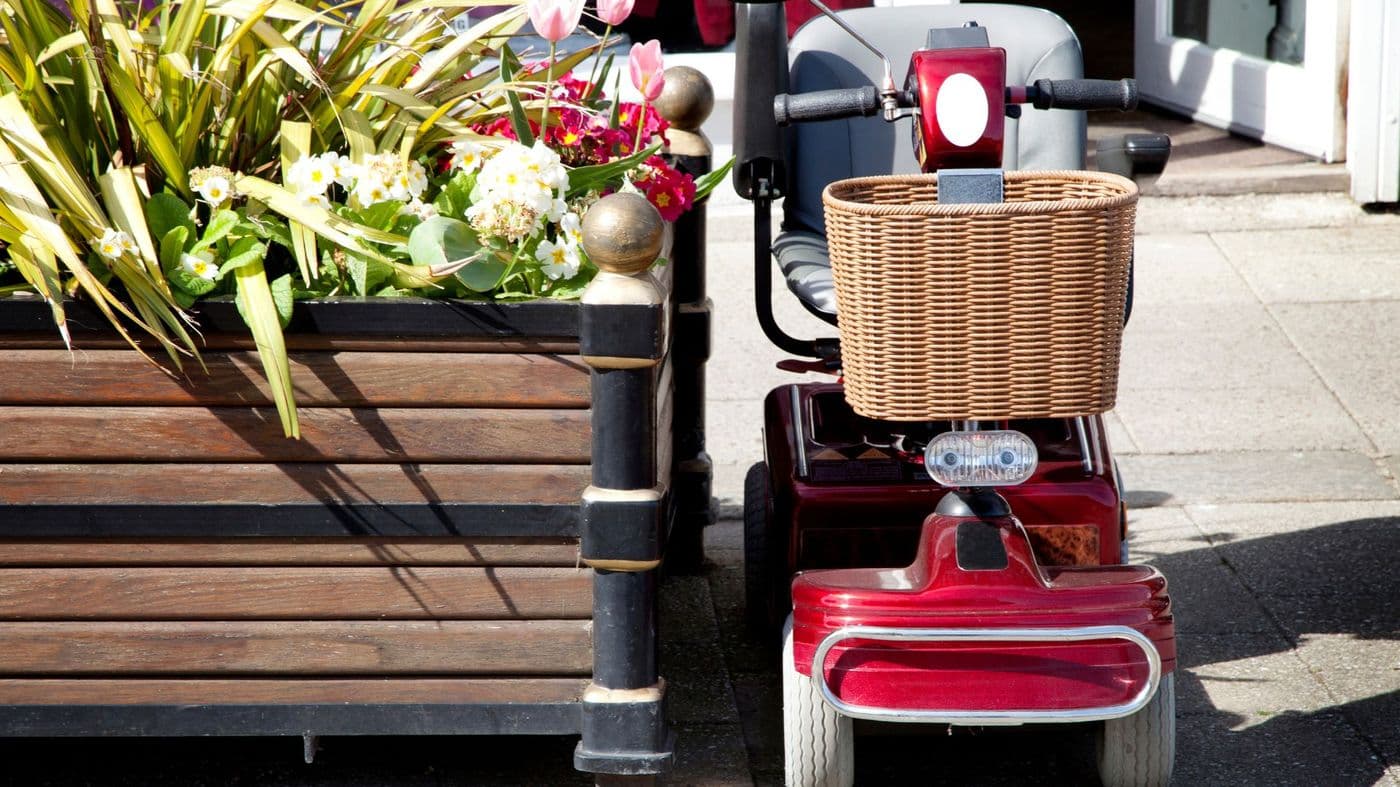
Light, compact, and designed to be transported. Some come apart into pieces — usually the heaviest single piece is the battery pack or the rear section. Others fold as a single unit, and a few, like the automatic folders, do it themselves at the push of a button.
These are Class 2, so 4mph and pavements only. Range is typically the shortest of the three, and they're the least comfortable on rough ground — small wheels feel every paving slab.
Best for: shopping trips, days out where the scooter travels in the car, holidays, and people with limited storage.
2. Mid-size scooters
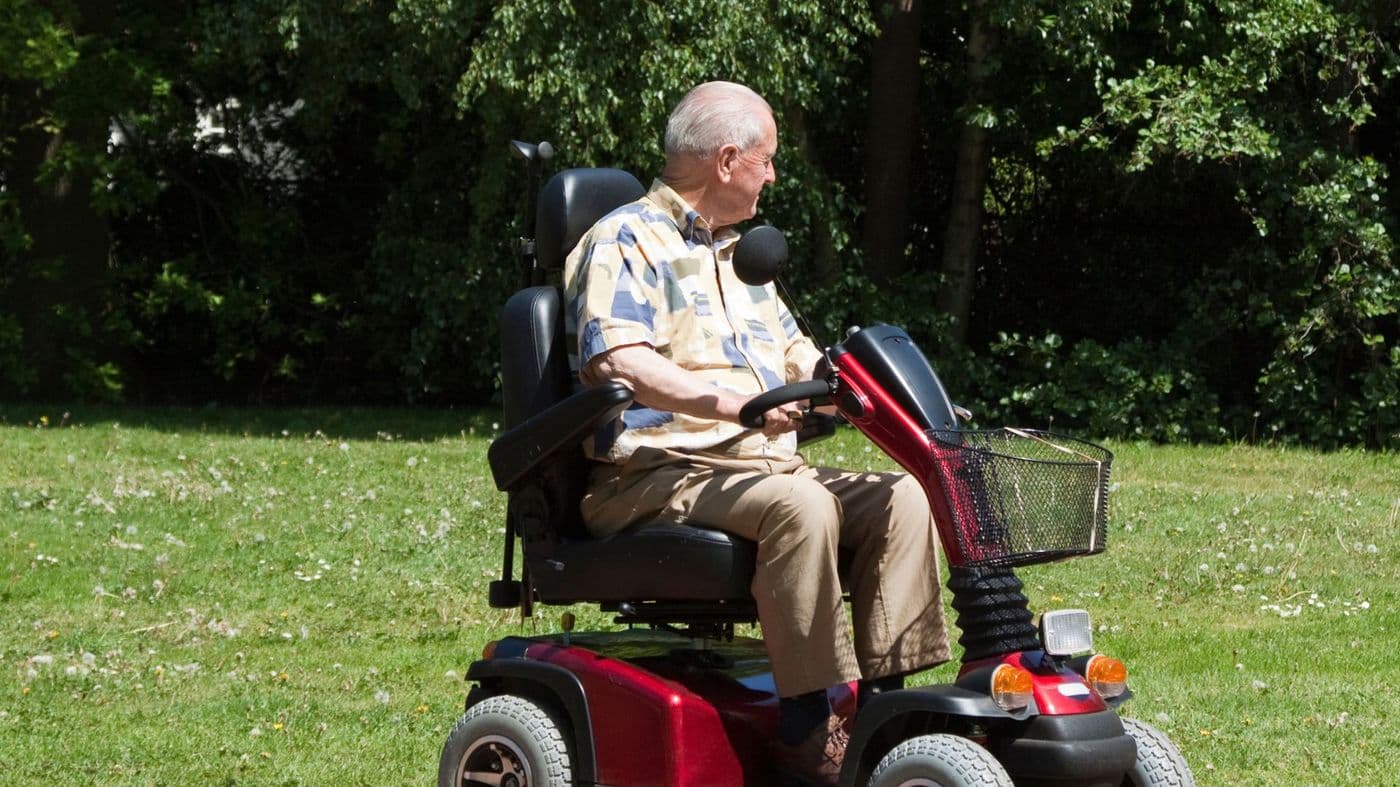
The middle ground, and where a lot of people land. Bigger wheels, better suspension, a proper seat, more battery. Usually still Class 2, though some sit at the smaller end of Class 3.
They won't go in a car boot in any practical sense, so you need somewhere to keep and charge one — a garage, a shed with power, a porch, or a scooter store.
Best for: daily independence around a town or village, where the scooter lives at home and doesn't need to travel.
3. Road-class scooters
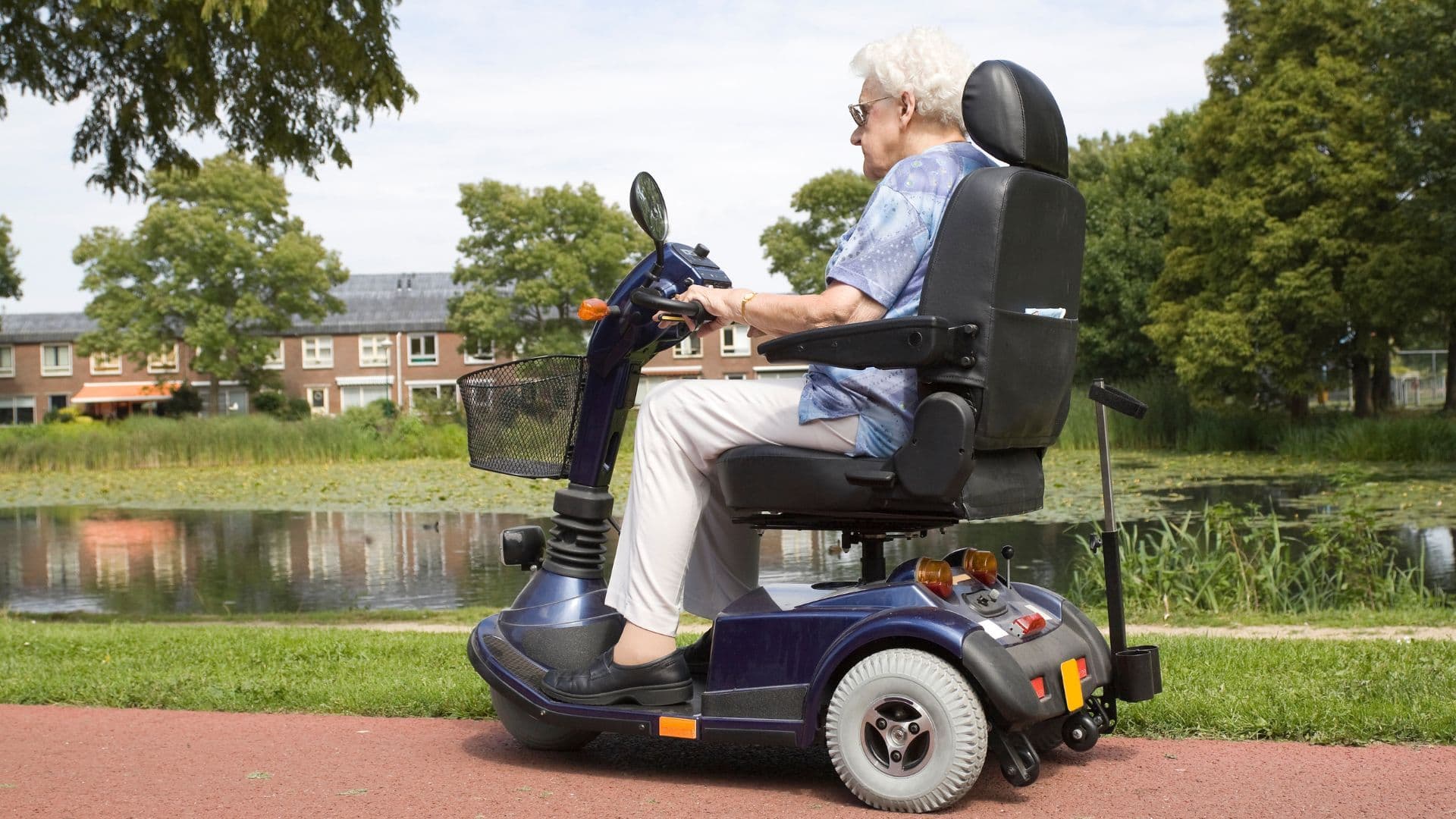
The largest type. Class 3, so 8mph on the road and 4mph on pavements, with lights, indicators, mirrors and a horn as standard. Full suspension, large pneumatic tyres, substantial batteries and the longest range.
They need to be registered with the DVLA — free, but see our guide to licensing and registration. They also need secure, dry storage.
Best for: covering real distance, routes with no pavement, and anyone who wants the most comfortable ride available.
The five questions that actually decide it
1. Where do you actually want to go?
Not in theory — this week. Write down three or four real journeys. The shop. The surgery. Your daughter's house. The allotment. How far is each, and what's the ground like? A scooter that handles your genuine week is worth more than one that handles a week you don't have.
2. Where will it live, and where will it charge?
This rules out more scooters than anything else. A scooter needs somewhere dry with a power socket. If that's a shed with no electricity, or a first-floor flat with no lift, the answer changes immediately.
Measure the doorway, the hallway and any gate it has to pass through. Bring the measurements with you — we'd far rather check than have you find out at home.
3. Does it need to go in a car?
If yes, the honest follow-up is: who is lifting it? The heaviest single piece of a dismantling boot scooter can still be a meaningful lift, repeated every trip, often at an awkward angle into a boot.
Try the lift before you buy, with the person who'll actually be doing it. If that's not realistic, a boot hoist is worth discussing — it changes what's possible.
4. How easily can you get on and off?
Seat height, swivel seats, armrests that lift, and the tiller position all matter more than most buyers expect. A scooter you struggle to get out of at the far end of a trip isn't independence.
5. What's the ground like?
Dropped kerbs, gravel drives, grass verges, cobbles outside the church hall. Small solid wheels are fine on smooth pavement and unpleasant everywhere else. Bigger pneumatic tyres and suspension cost more and are worth it if your route is rough.
Range figures are measured in ideal conditions — flat ground, mild weather, a light rider, new batteries. Assume you'll see meaningfully less than the number on the brochure, and buy accordingly.
Three mistakes worth avoiding
- Buying for the once-a-year trip. People choose a folding scooter for one annual holiday, then use it daily on rough pavement it wasn't built for. Buy for the fifty ordinary weeks.
- Trusting the range figure. Treat quoted range as a best case. Hills, weight, cold weather and battery age all reduce it.
- Not sitting in it. A scooter can look right and feel wrong. Five minutes on one tells you more than an hour of reading.
Try before you buy
We keep a range of scooters at our Stewartby showroom, and you're welcome to try several side by side. There's free parking at the door and step-free access throughout, and nobody will pressure you into a decision on the day.
We also offer a free home demonstration on every mobility scooter and powerchair we sell, Motability or not. That's often the more useful test — it answers the doorway question, the gate question and the storage question all at once.
Call 01234 267393 to arrange one, or browse the range first if you'd like an idea of what we stock.