Class 2 vs Class 3 mobility scooters: the UK rules explained
Every mobility scooter sold in the UK is either Class 2 or Class 3, and the difference decides where you're allowed to drive it. Here's what each class means in practice.
Plain-English guides on choosing, running and looking after a mobility scooter or powerchair — written by the team who service them.
Showing 15 articles
 Rules & safety
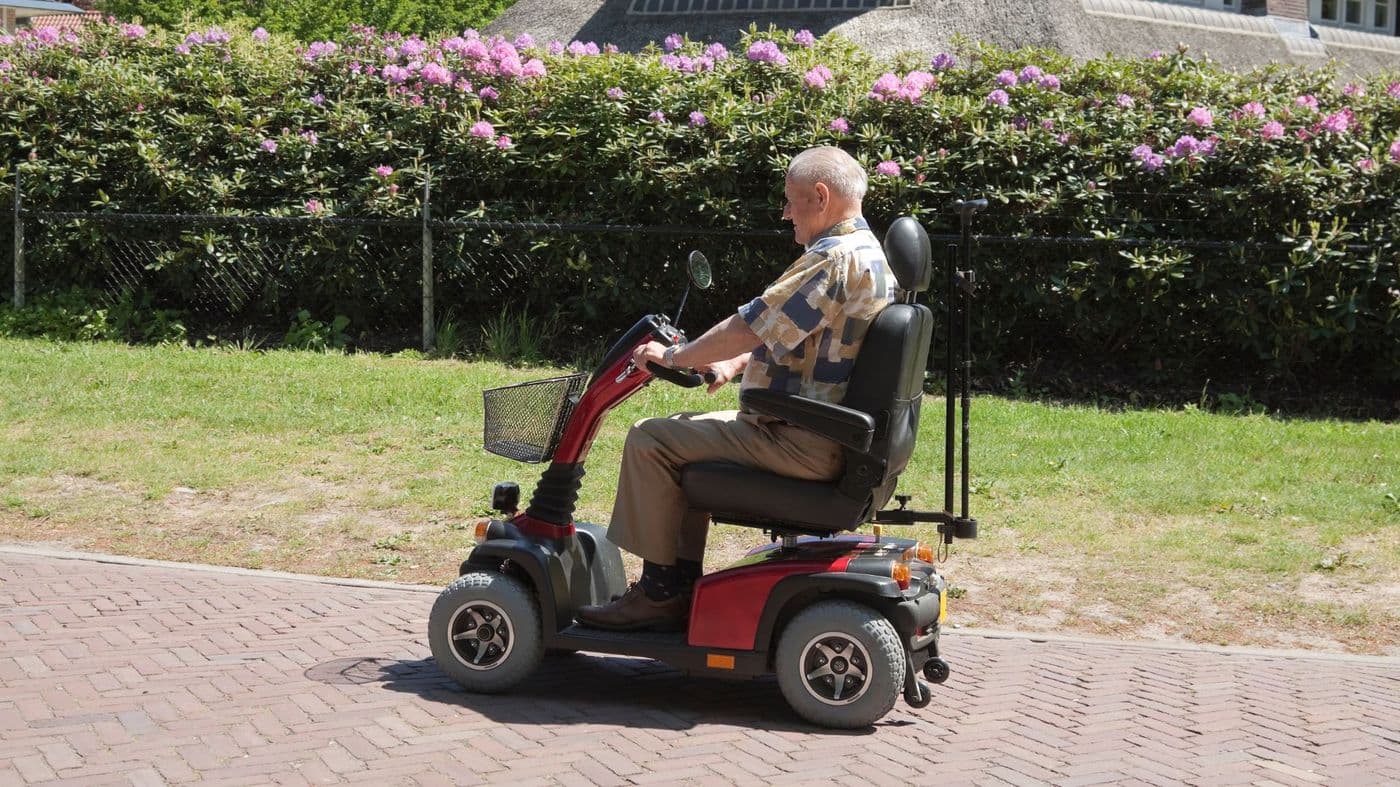
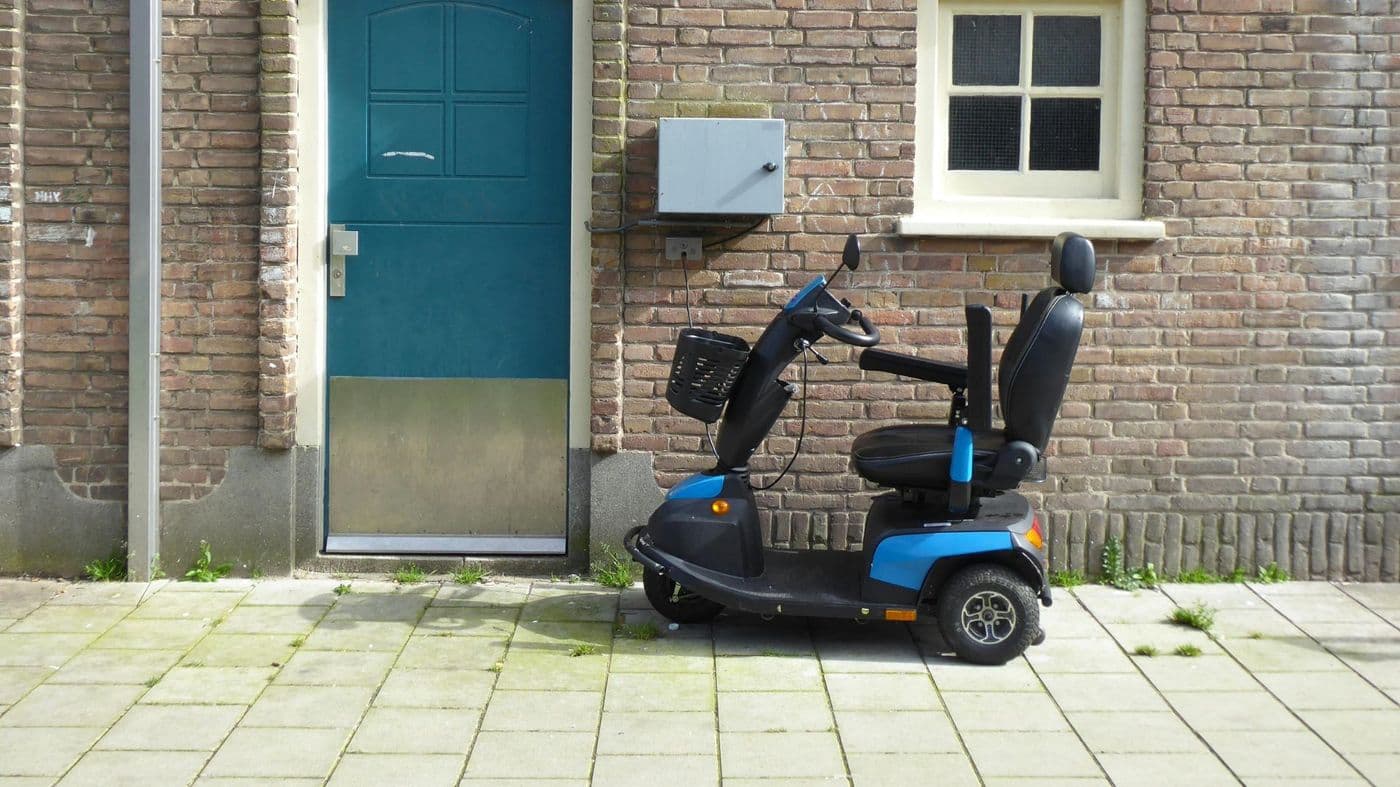
Every mobility scooter sold in the UK is either Class 2 or Class 3, and the difference decides where you're allowed to drive it. Here's what each class means in practice.
 Rules & safety
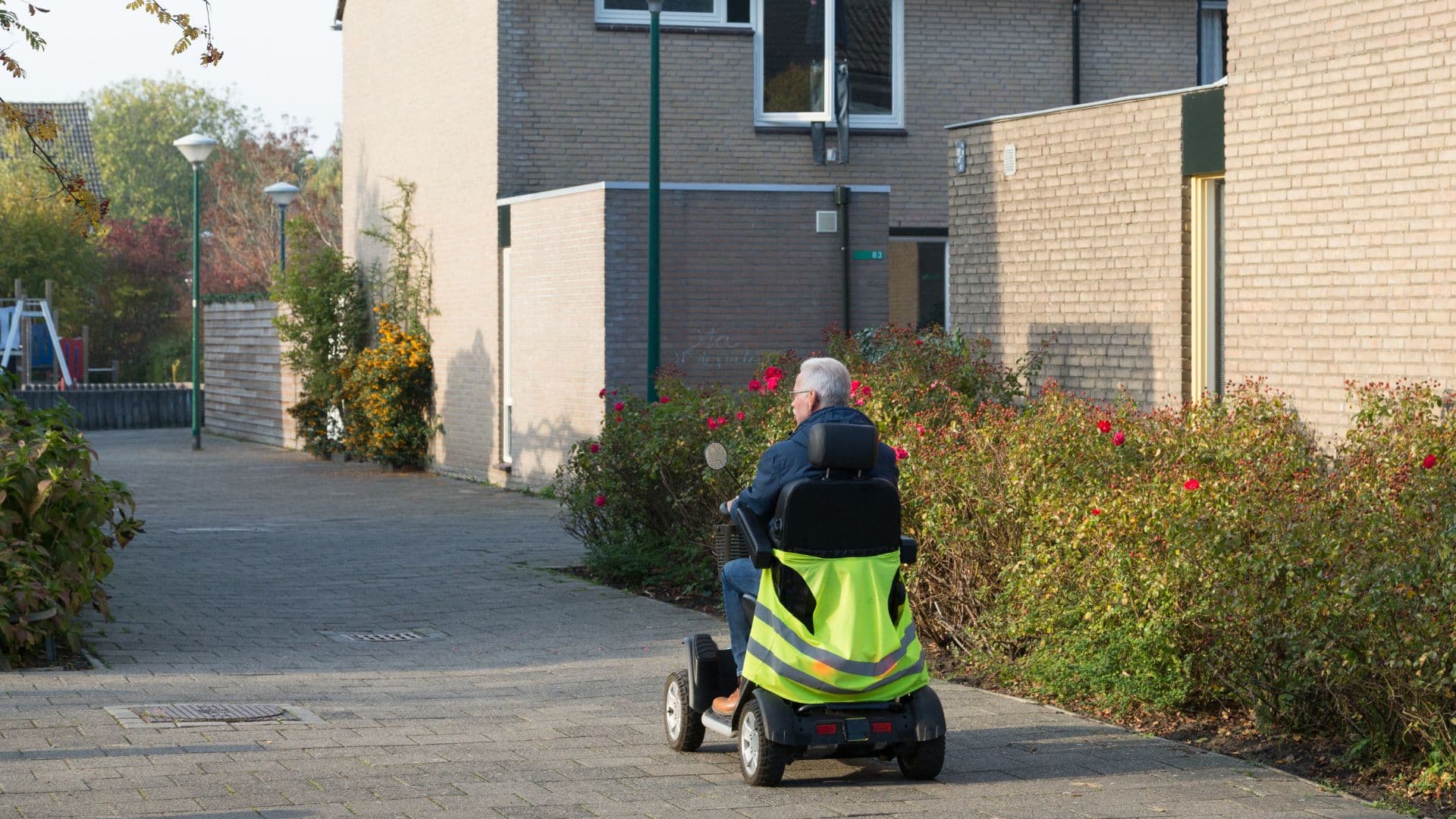
The three questions we're asked most often, answered plainly — including the one thing that genuinely is a legal requirement, and the one thing that isn't but really should be.
 Buying advice
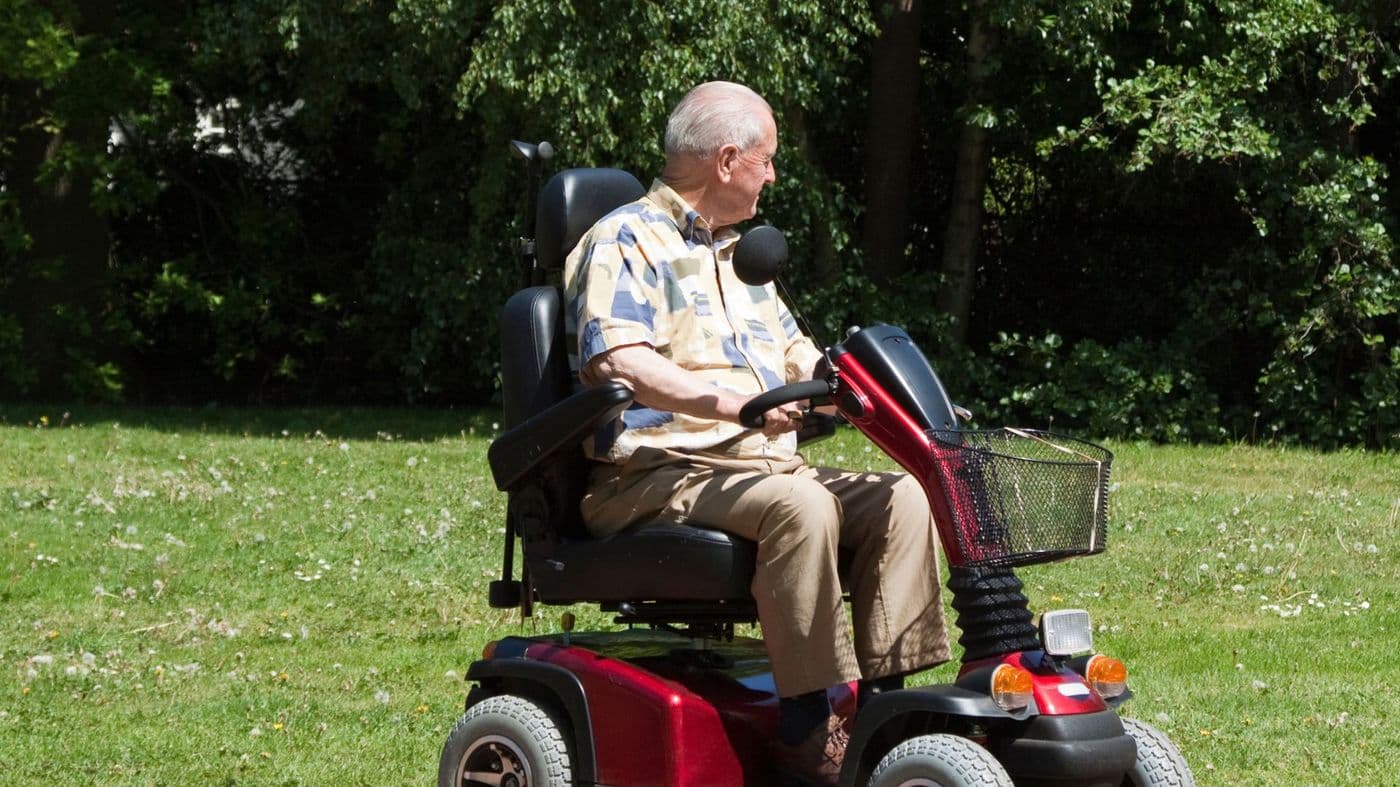
There are three broad types of scooter, and most people can rule out two of them in about five minutes. Here's how to work out which is yours.
 Motability
If you receive a qualifying mobility allowance, you may be able to exchange part of it for a brand-new scooter or powerchair with everything included. Here's how it actually works.
 Servicing
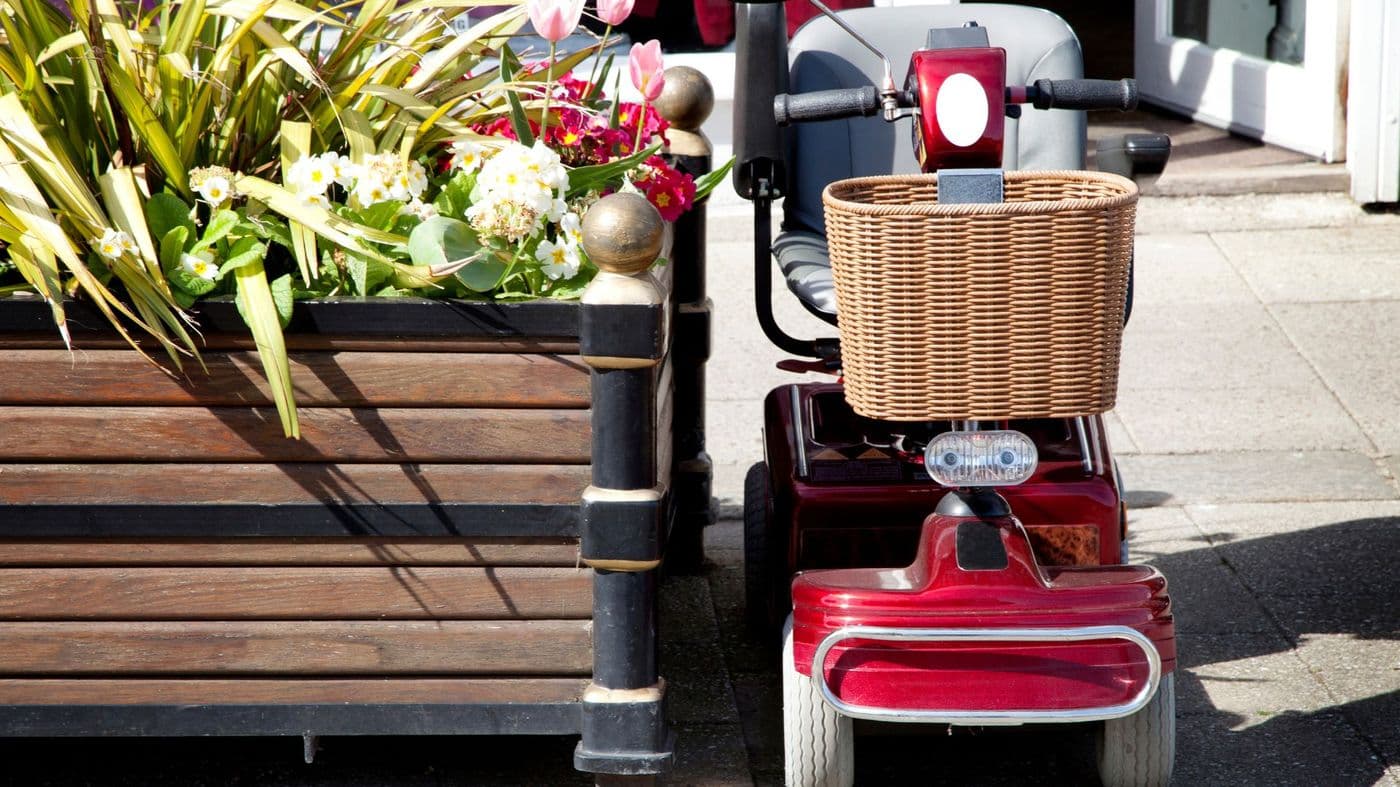
Batteries are the single most expensive part most owners ever replace — and most of them die years early. Almost always for the same handful of reasons.
 Buying advice
A good used scooter is one of the best-value things we sell. A bad one costs more than a new machine by the time it's put right. The difference is usually visible in ten minutes.
 Out & about
"Accessible" on a website and accessible on the day are not always the same thing. Here's how to work out whether somewhere will actually suit you before you go.
 Servicing
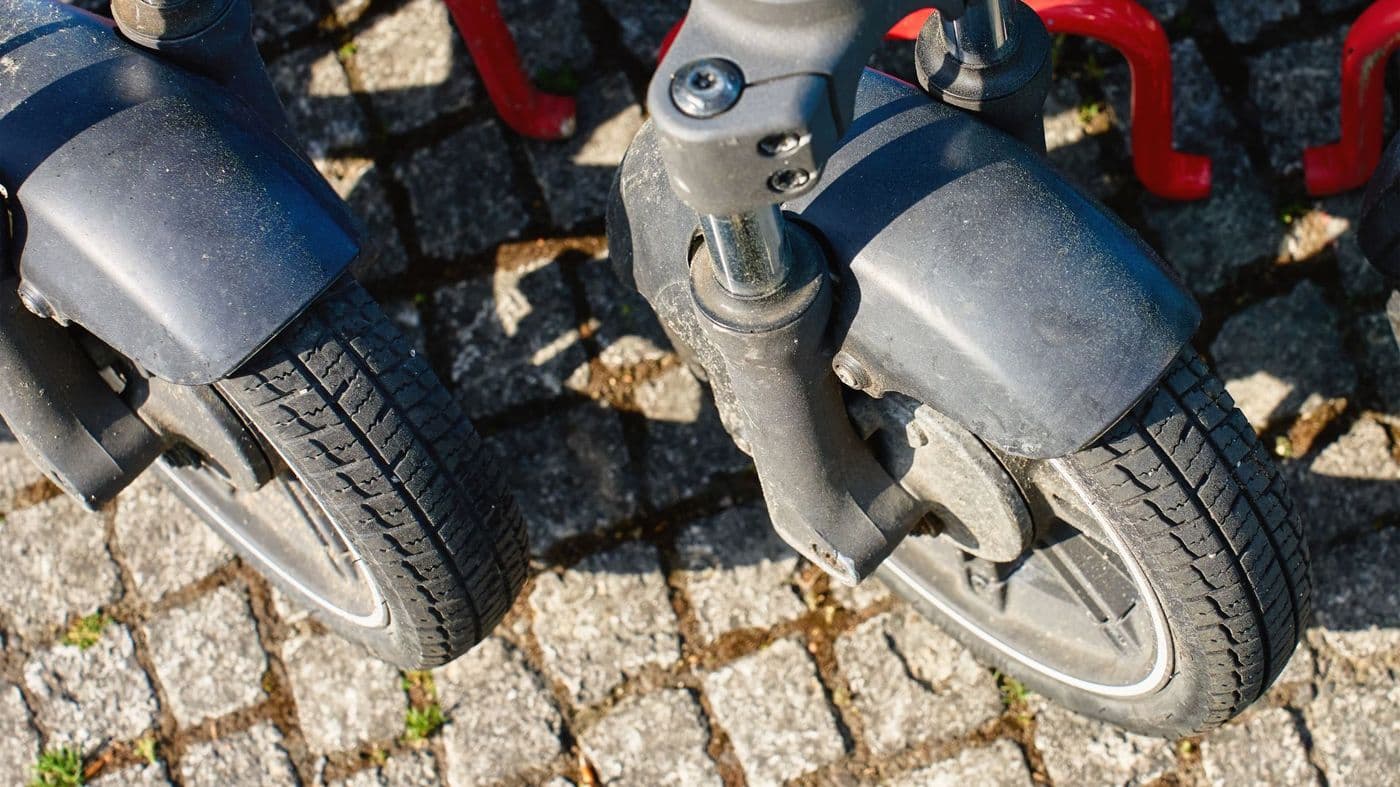
Winter is when tired batteries finally give up and small faults become breakdowns. Half an hour in autumn saves most of it.
Rules & safetyMost scooter incidents aren't dramatic. They're a kerb taken at the wrong angle, or a driver who didn't see you. Both are largely preventable.
 Buying advice
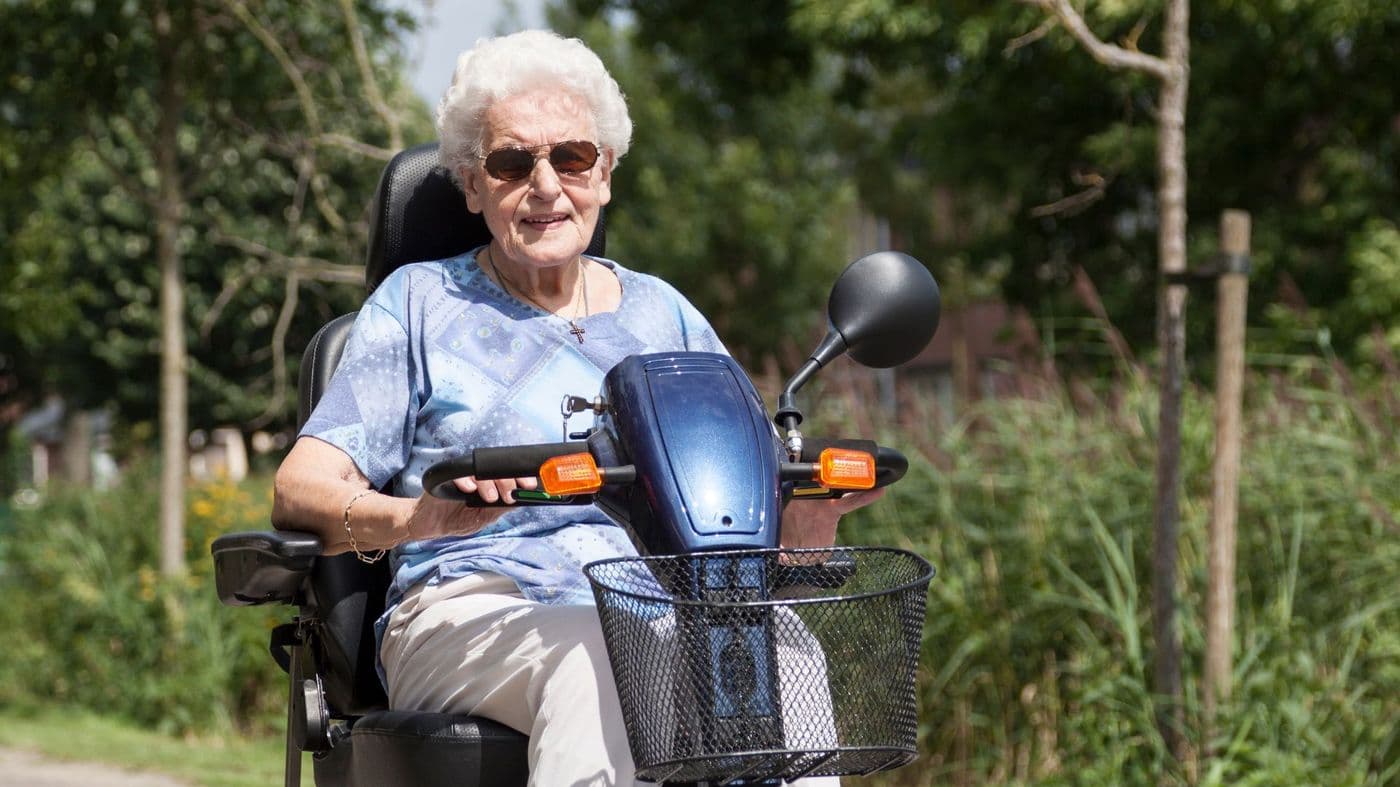
Not every mobility need is permanent. If you need something for weeks rather than years, buying is often the wrong answer.
 Rules & safety
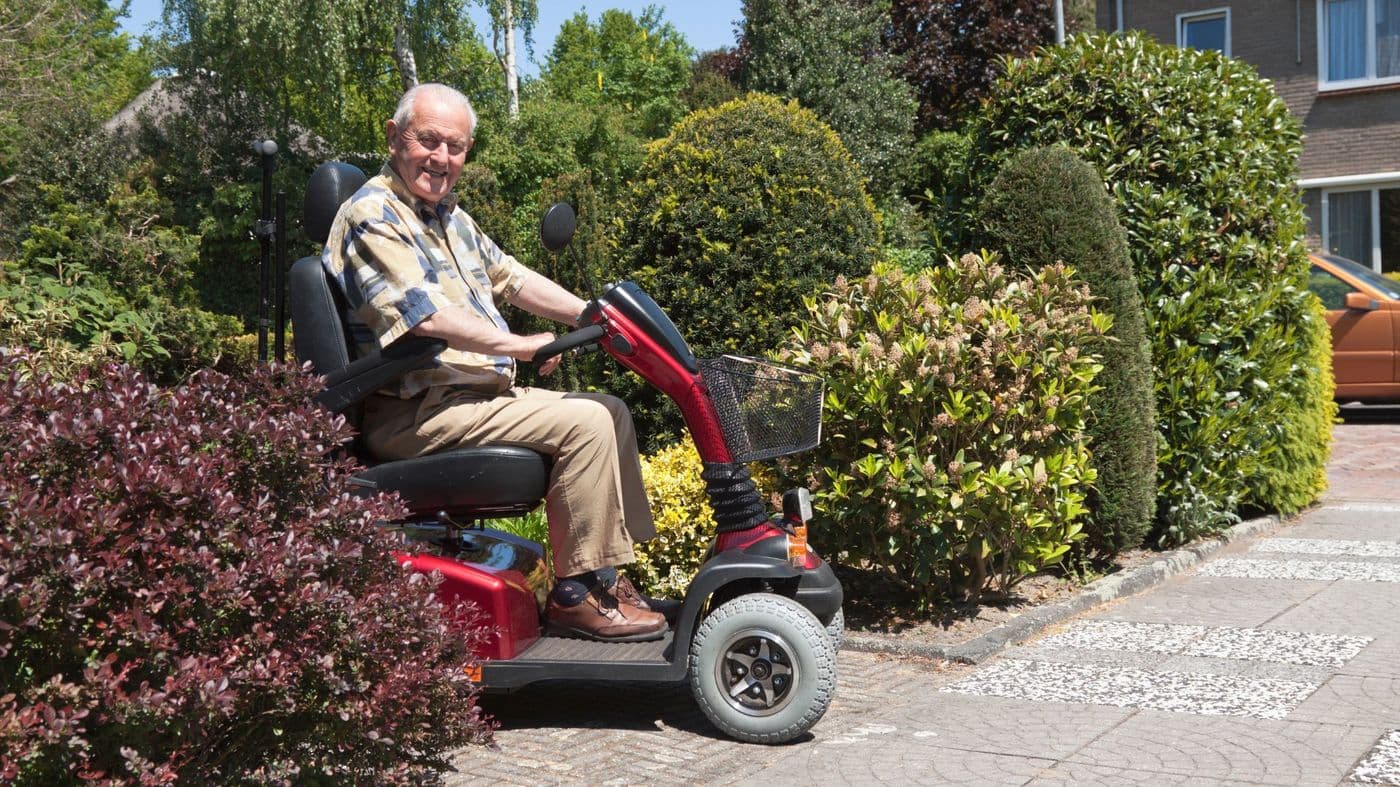
Most scooters are Class 2 or Class 3. A few fall outside both — and the guidance for those is stricter, newer, and still being argued about.
 Buying advice
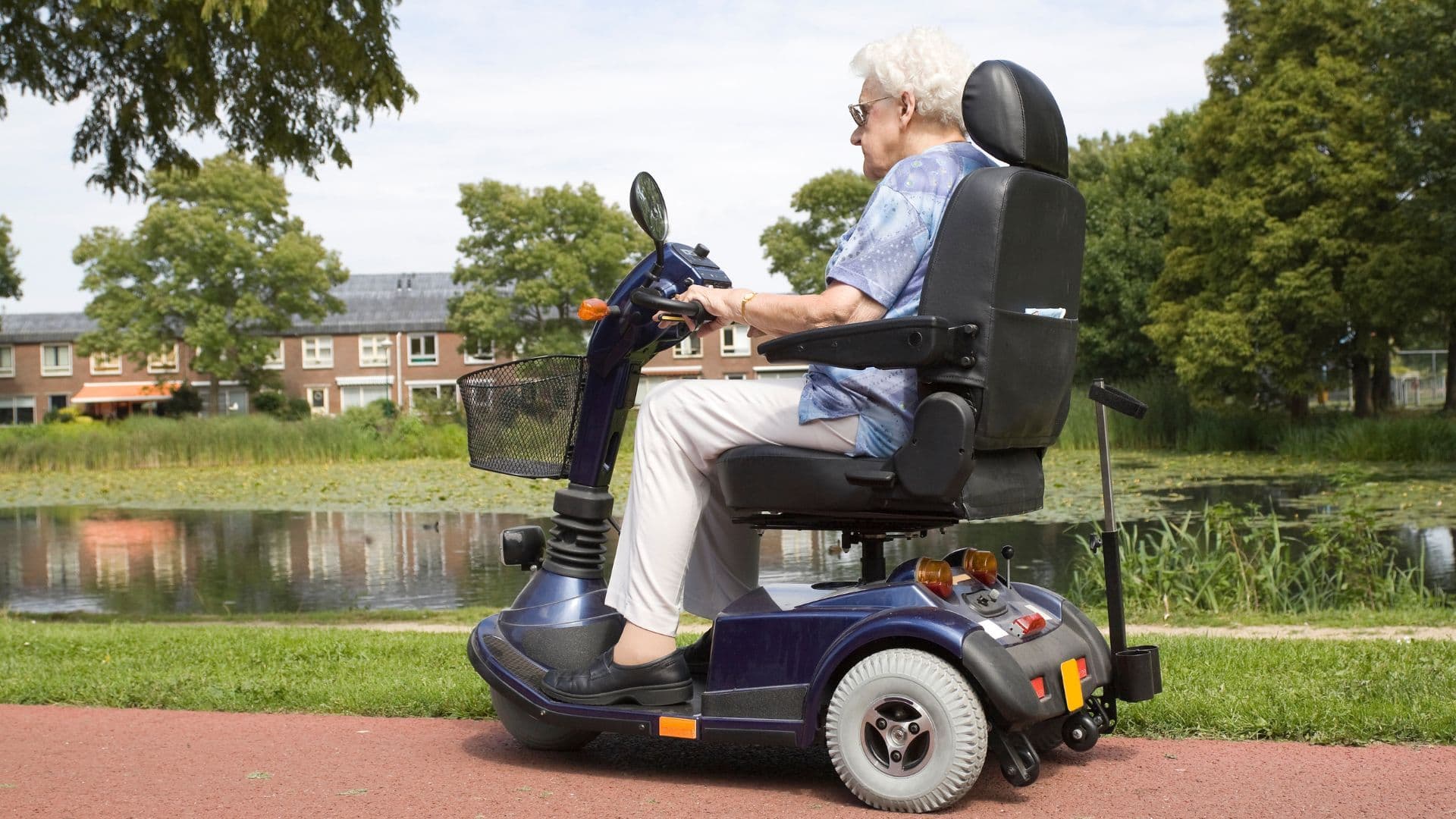
They look like alternatives. They are not — they suit different bodies and different journeys, and the difference is mostly about your arms and your doorways.
Rules & safetyOne of the most common questions we get, and one of the hardest to find an answer to. Here is what the guidance actually says.
 Buying advice
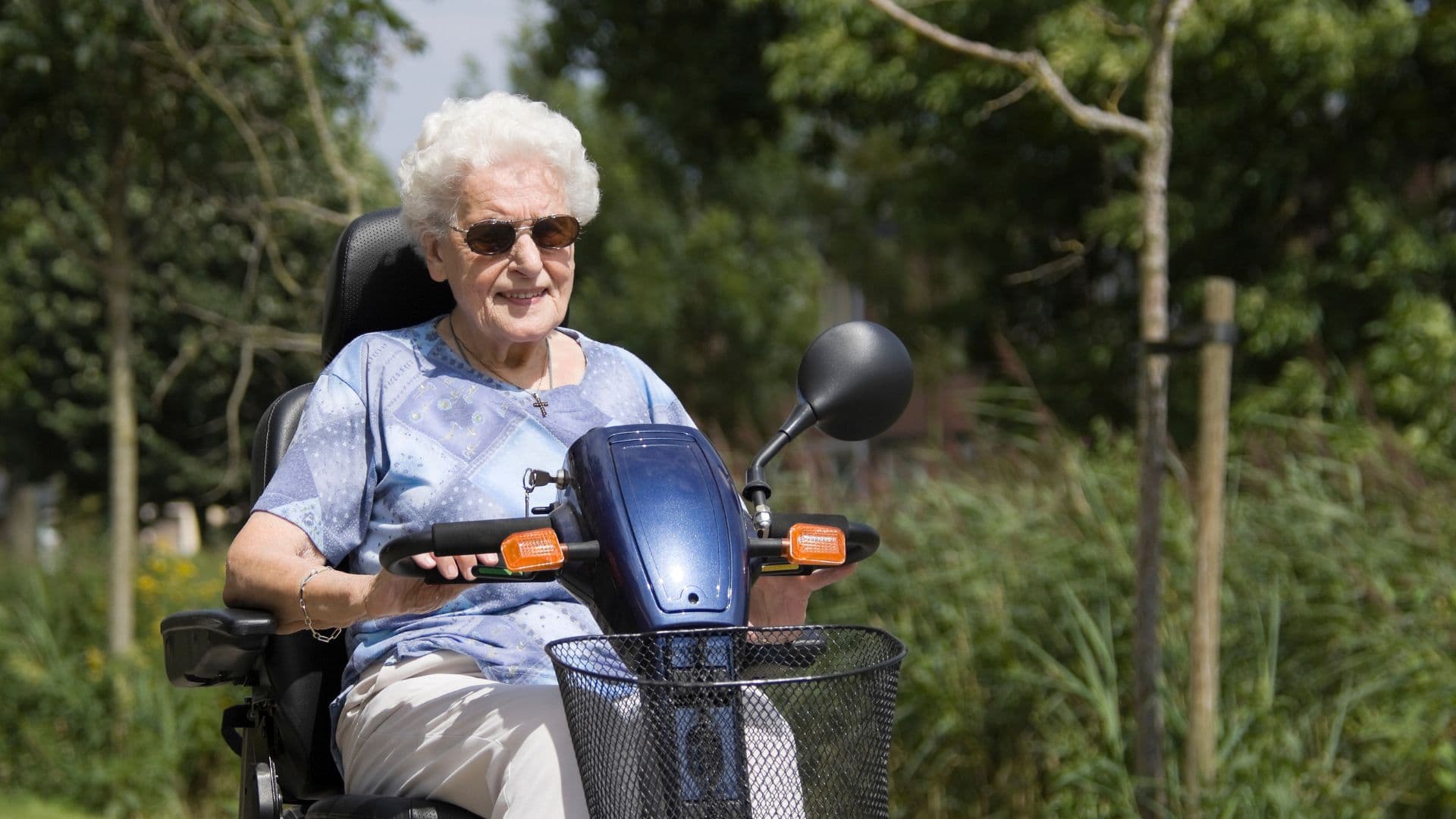
Most pages on this say “if you’re disabled you don’t pay VAT” and stop. The real rules are more particular than that, and worth knowing before you buy.
 Buying advice
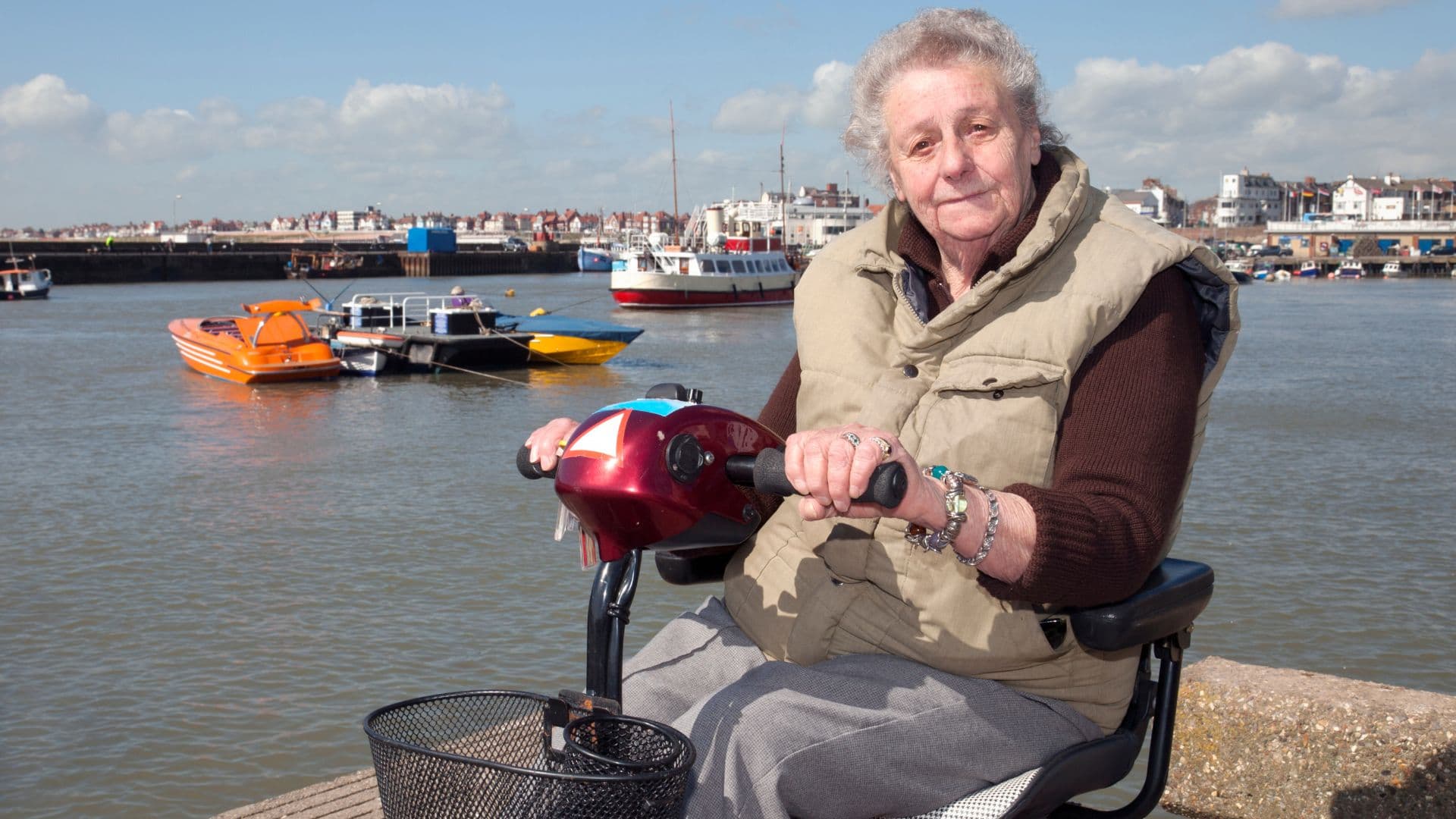
The difference is one you can see at a glance — the size of the back wheels — and it decides whether you can move yourself or need someone to push.
The articles answer the common questions; the phone answers yours. Ring 01234 267393 and talk to somebody who services these machines every day.