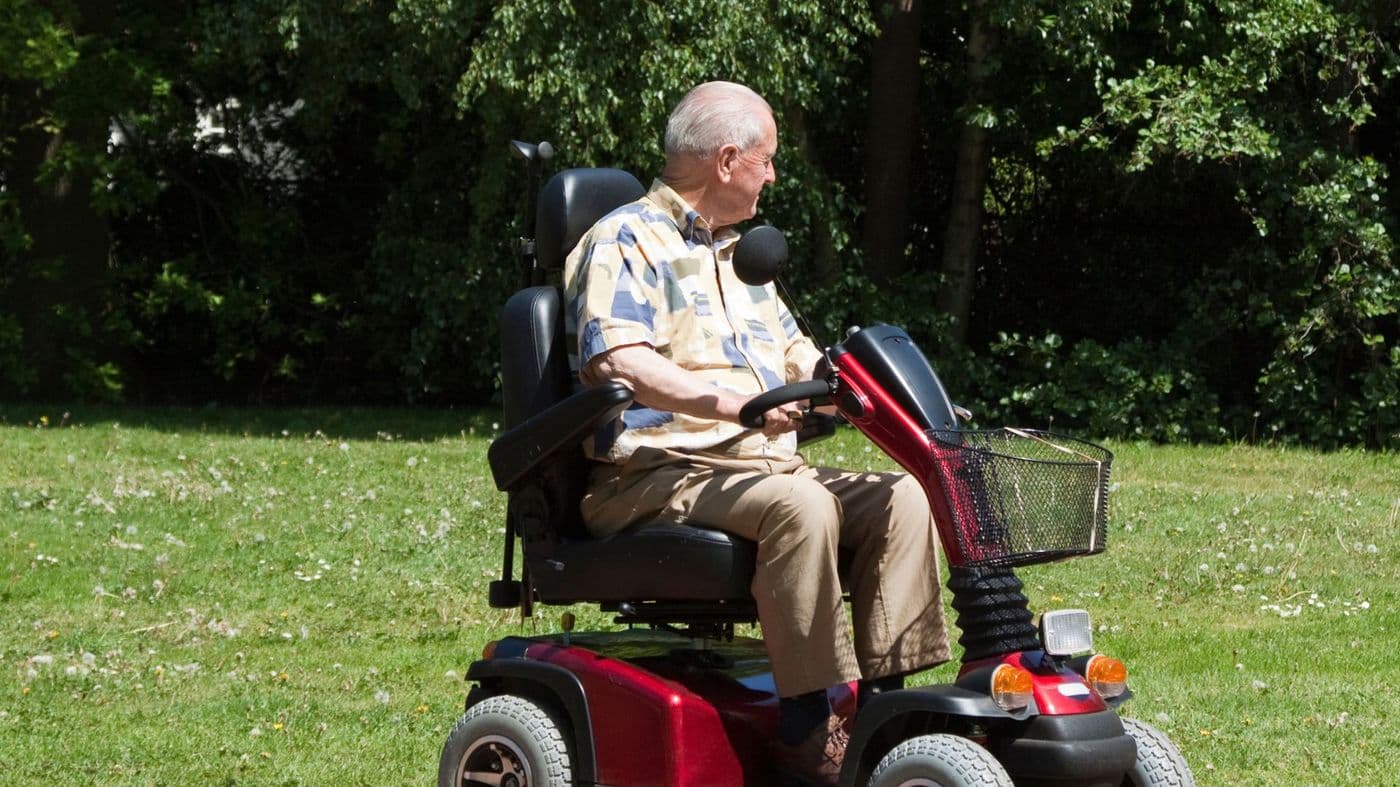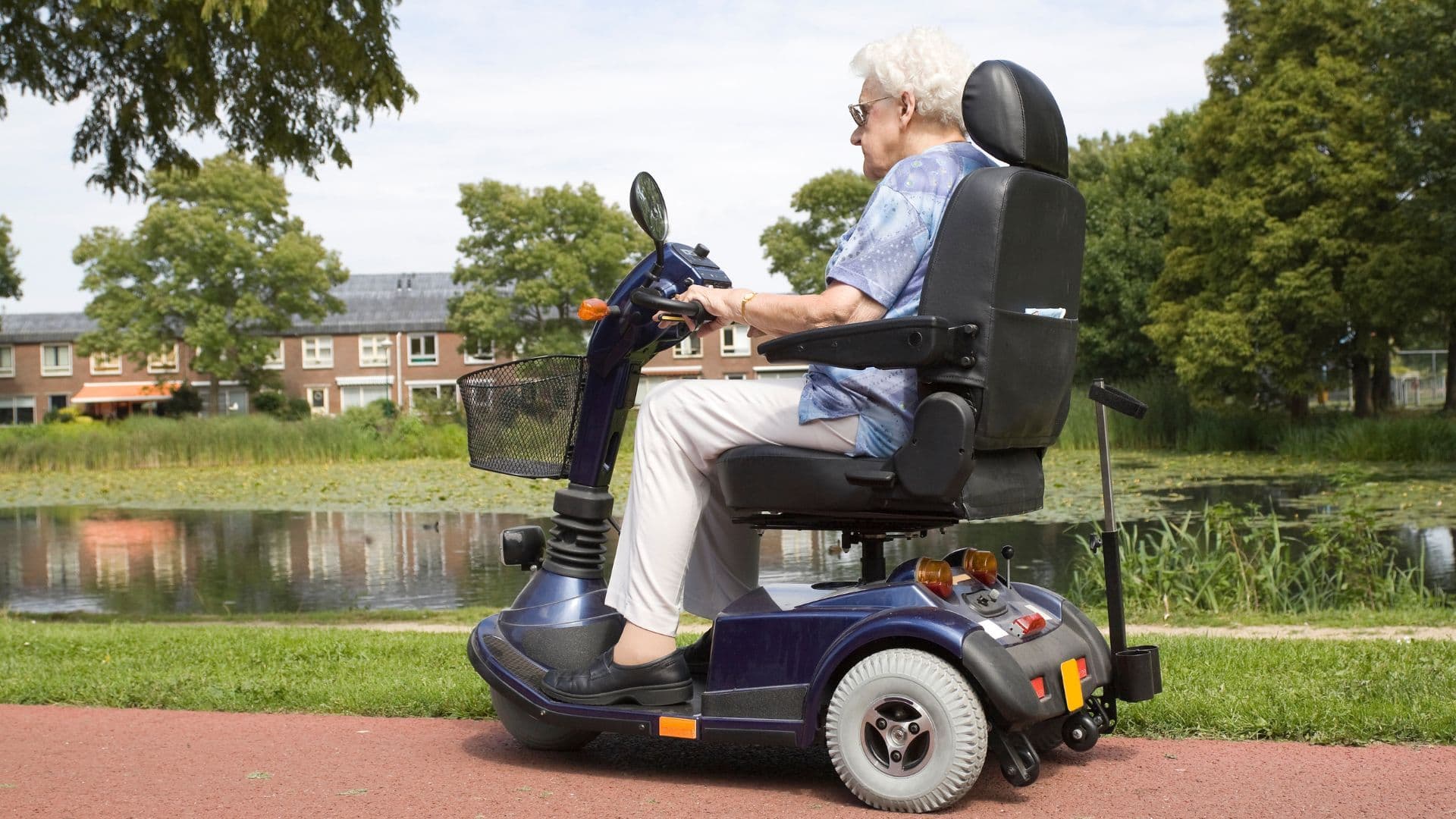
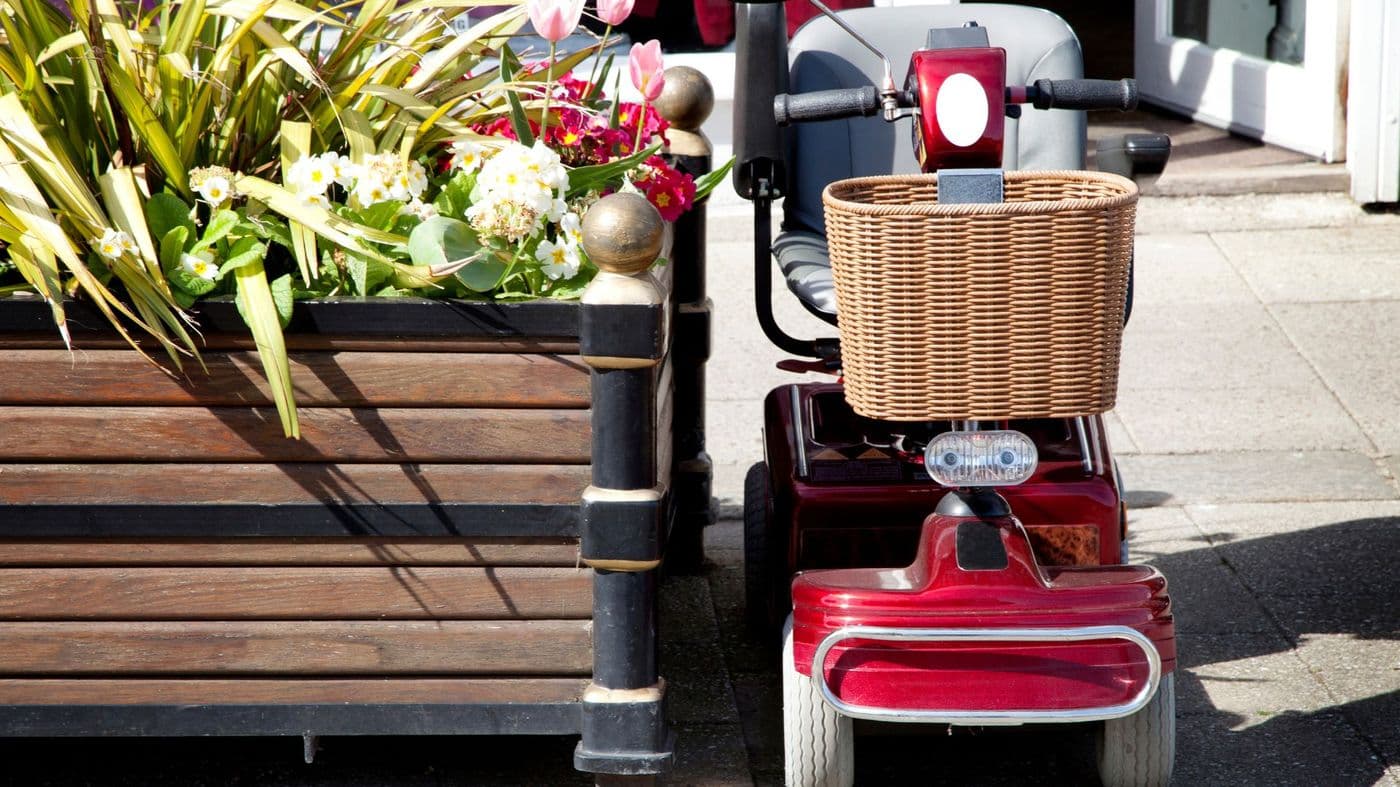
Second-hand mobility scooters are often excellent value. Many are barely used — bought with good intentions, used a dozen times, then stored. Others have done real mileage and are close to needing money spent on them.
Telling the two apart isn't hard once you know what to look at. Here's the checklist we work through ourselves on every machine we take in.
1. The batteries, before anything else
Batteries are the most expensive consumable on a scooter and the most likely thing to be worn out. Ask directly: how old are they, and when were they last replaced? Many batteries have a date stamp on the casing.
A fully charged gauge means very little — a tired battery can read full and then collapse under load after five minutes. The only reliable answer is a proper load test, which is exactly what a dealer will have done and a private seller almost certainly hasn't.
2. Service history
Ask whether it's been serviced, and by whom. A scooter with a record of regular servicing has usually been looked after in other ways too. No history isn't automatically a dealbreaker on a low-mileage machine, but it should make you look harder at everything else.
3. Take it for a proper test drive
Not ten feet across a driveway. You want a few minutes, and specifically:
- A hill or a slope. This is where weak batteries and tired motors show themselves.
- Full-lock turns both ways, listening for grinding or clicking from the transaxle.
- Braking. It should stop smoothly and hold on a slope. Electromagnetic brakes should engage firmly when you release the throttle.
- Straight-line tracking. It shouldn't pull to one side.
4. Listen to it
Whining, grinding or knocking from the rear is a transaxle warning sign, and that's an expensive repair. A healthy scooter is quiet — some motor noise, nothing harsh.
5. Tyres
Check tread and, on solid tyres, look for chunks missing or perishing. Pneumatic tyres should hold pressure — ask when they were last inflated. Tyres are one of the cheaper fixes, but worn ones tell you about how the machine has been used.
6. Frame, panels and seat
Look underneath as well as on top. Scrapes on the underside suggest kerbs taken hard. Check the seat post and swivel mechanism lock properly, the armrests adjust and hold, and the seat itself isn't split or damp — damp is a sign of outdoor storage, which matters more than the seat itself.
7. Rust and water damage
Surface marks on the frame are normal. Corrosion around the battery box, the wiring or the controller is not, and points to a scooter that's lived outside. Electrical faults caused by damp are miserable to chase down.
8. The charger
Make sure the original, correct charger is included and works. A replacement isn't ruinous, but the wrong charger will damage a good set of batteries — see our battery care guide.
9. Class, registration and paperwork
If it's a Class 3 scooter, it should be registered with the DVLA and there should be a V5C. Ask to see it — it's also useful evidence that the seller owns the scooter. Class 2 scooters have no registration.
Not sure which you're looking at? Class 2 vs Class 3 explained.
10. Warranty — and who you're buying from
This is the one that separates a bargain from a gamble. A private sale is sold as seen: no warranty, no comeback, and no one to call when it stops a week later.
The question isn't just what the scooter costs. It's what happens on the day it doesn't start — and whether there's anyone at the end of a phone.
A scooter from an established dealer will have been checked over, serviced and had its batteries tested, and comes with a warranty and someone to go back to. It costs a bit more for exactly those reasons.
How we handle second-hand stock
We take machines in as part exchange, which means our used stock changes constantly — what's on the floor this week may be gone next. Everything we sell is checked and serviced before it goes out, with the batteries tested as part of that.
Because stock moves so quickly, there's little point publishing a fixed list. Call 01234 267393 and tell us roughly what you're after and what you'd like to spend, and we'll tell you what we have in — or let you know when something suitable arrives.
You're also welcome to bring your existing scooter in for a part-exchange valuation. Our showroom is at Unit 7, Broadmead Business Park in Stewartby, with free parking outside — details on our visit us page.